
E-Invoicing Exchange Summit - Berlin, Sep 30 - Oct 02, 2026

If you are interested in becoming a partner for the E-Invoicing Exchange Summit, please reach out to Alexandra Bayer.
Stay up-to-date with the latest program developments by subscribing to our newsletter.
We’re selling out soon! Avoid disappointment and secure your seat today.
Sep 30, 2026 - Workshops
10:30 - 13:30
Workshop A
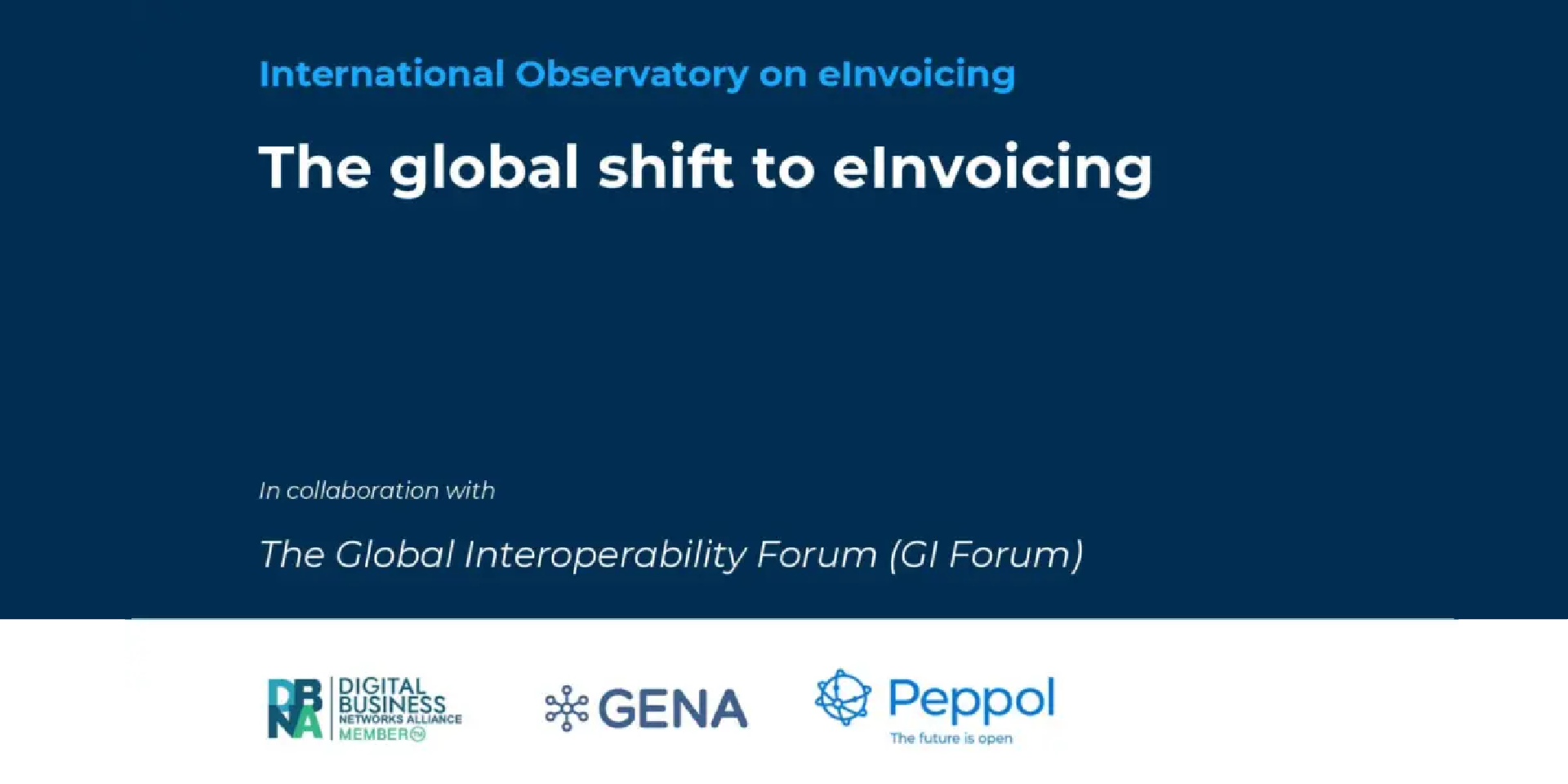
A Year of E-Invoicing: The 2026 Research Results of the International Observatory on E-Invoicing
This workshop presents the annual research outcomes of the International Observatory on eInvoicing of Politecnico di Milano. The session will explore the latest global developments shaping eInvoicing, from new regulatory mandates to evolving market strategies and operational impacts. Together, we will analyse the international momentum behind digital invoicing, compare country approaches, and discuss open questions related to the ViDA proposal. Institutional perspectives, expert insights, and real business experiences will be combined to understand how eInvoicing is transforming compliance, business processes, and digital services.




Workshop conducted by
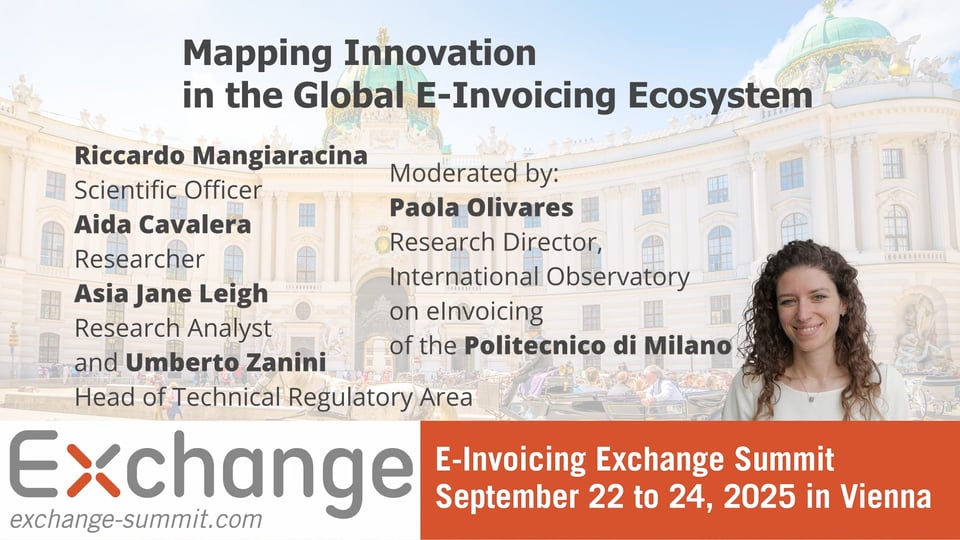
Riccardo Mangiaracina Scientific Officer, Paola Olivares Research Director, Aida Cavalera Researcher, Asia Jane Leigh Research Analyst and Umberto Zanini Head of Technical Regulatory Area, International Observatory on E-Invoicing of the Politecnico di Milano
14:30 - 17:30
Workshop B
Revision of EN 16931 - And How This Affects Your Business
In this workshop we will discuss the new fields, extensions methodology, timeline, and various examples.
+ Revision based on 3 pilars
+ Overview of new and changed data elements
+ Overview of new and changed business rules
+ Overview of the syntax binding changes
- Status of the syntax binding
- Status of the (new) codelists
+ Changes in the Extension Methodology
- Core conformant and Core non-conformant extensions
- Are they a candidate to be used in the ViDA era
+ Expected timeline of implementation
- Impact on national roll out
- Impact on e-Reporting based on the DRR
+ Examples
- New vs old
- New opportunities




Paul Simons Convenor CEN TC434 WG1 appointed by CEN TC434, Dr. Lars Rölker-Denker Committee member CEN TC434 appointed by DIN, Svante Schubert Committee member CEN TC434 appointed by DIN, Editor of the syntax bindings WG3 and Edmund Gray Convener CEN TC434 WG7 Registry Services and Co-Convener CEN TC434 WG5 Extension Methodology
17:30 - 21:00
ICEBREAKER RECEPTION - kindly supported by fiskaly
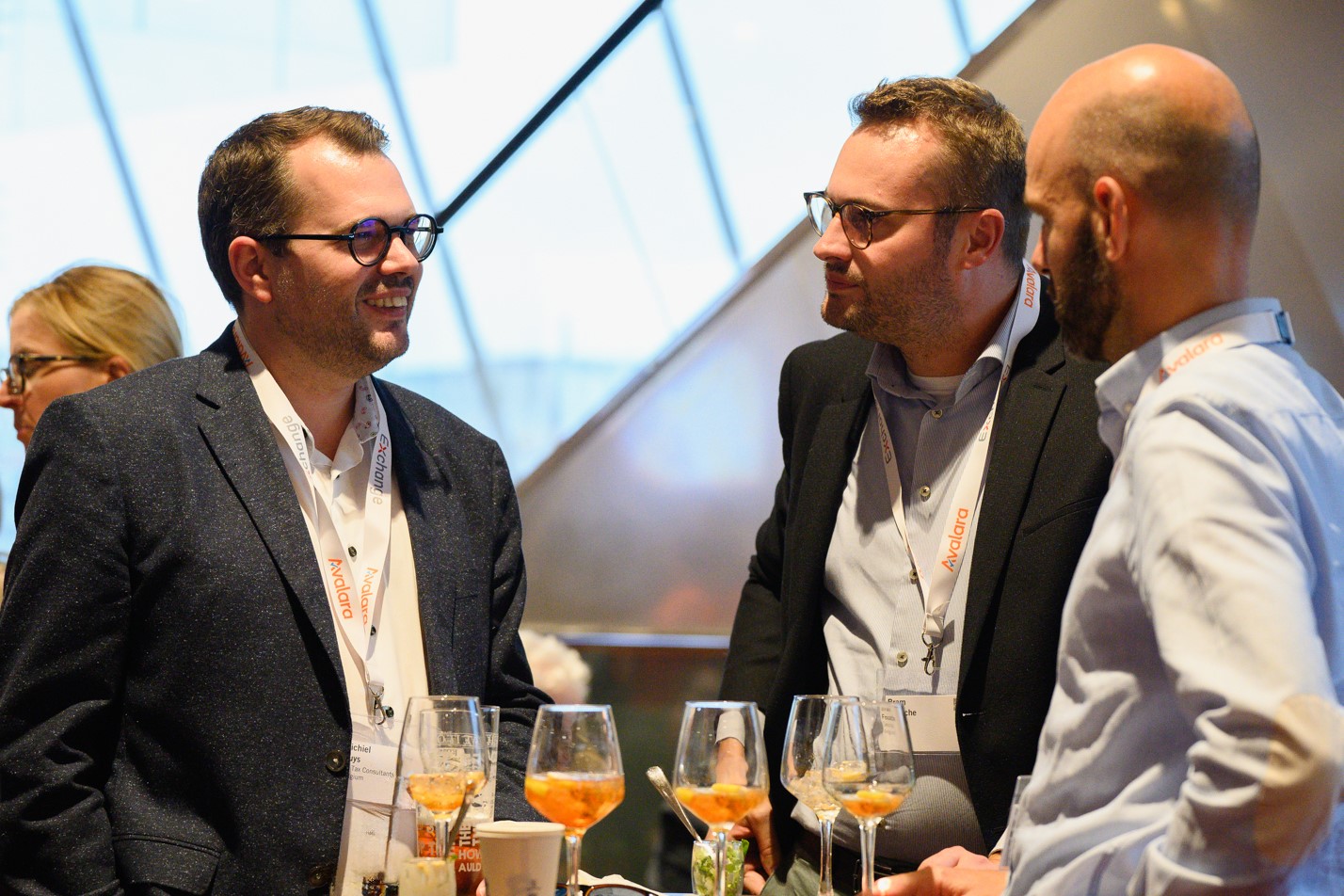

Your networking experience starts right here. All participants and speakers are invited to attend the Icebreaker Reception and to pick up their name badges.
Oct 01, 2026 - conference Day 1
09:00 - 09:10
Welcome and Opening
Johannes researches, organizes and runs knowledge and networking platforms that help the industry to benefit from new technologies and cope with changing legal and regulatory frameworks. His events make sure that all stakeholders learn, discuss and network with like-minded experts, practitioners and thought leaders. His main focus lies on E-Invoicing since 1999, carrying out the E-Invoicing Exchange Summits in Europe, Middle East, Asia-Pacific and the US, the E-Rechnungs-Gipfel in Germany, and the Swiss Payment Forum in Zurich.
Meet me on LinkedIn

Johannes von Mulert Founder and Chairman E-Invoicing Exchange Summit
09:10 - 09:40
Riding the Tornado: Mastering Multinational E-Invoicing and Compliance
The original E-Invoicing “tornado” has evolved into a broader transformation towards Integrated Digital Trade, where invoicing, tax reporting, procurement, payments, and financial processes increasingly converge. Against this backdrop, companies are facing unprecedented regulatory complexity, while at the same time being presented with significant opportunities for automation, efficiency gains, and business transformation.

Marcus Laube Owner and CEO, billentis
09:40 - 10:10
Beyond Compliance: Building the Infrastructure of Digital Trust
Digital compliance began as a response to regulatory transformation: new mandates, reporting requirements, and the growing need for fiscal transparency. But what started as compliance is rapidly becoming something far more significant. Structured transactional data, near real-time reporting, interoperability frameworks, and evolving global tax models are helping shape a new infrastructure of digital trust across businesses and public administration alike.
As initiatives such as ViDA accelerate this transformation, the conversation moves beyond technical implementation toward broader questions of collaboration, interoperability, inclusion, data quality, and long-term ecosystem design. This session explores how digital compliance is evolving from a legal requirement into a strategic enabler of trusted digital economies.
+ From obligation to infrastructure: how compliance became a strategic digital foundation
+ Global CTC expansion, ViDA, and the strategic challenge of interoperability
+ Public-private collaboration as a prerequisite for scalable transformation
+ Simplicity, SME accessibility, and ecosystem-wide adoption
+ Data quality as the foundation of trust, automation, and future intelligence

Arttu Soderholm Global KAM - Benelux & Nordics Manager, Edicom
Watch video message
10:10 - 10:40
In Conversation with OpenPeppol
By becoming a critical digital infrastructure provider, Peppol is creating the future for digital interoperable trade.
Join André and Lefteris as they discuss what this means for governments, service providers and businesses, and take a look beyond E-Invoicing and Tax Reporting.
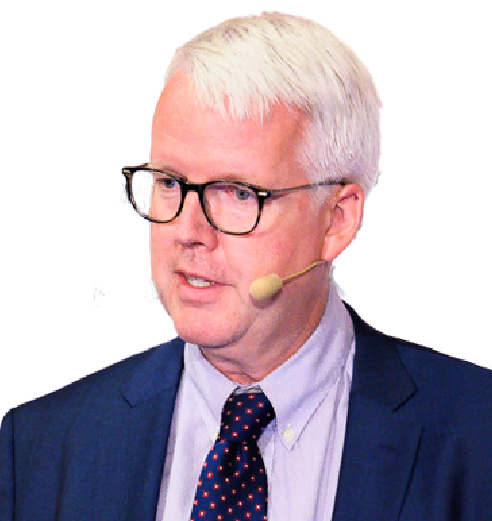


André Hoddevik Secretary General and Lefteris Leontaridis Operations Manager, OpenPeppol
Faciliated by: Steve Graham Head of Business, OpenPeppol
11:20 - 11:50 - Stream A
Beyond E-Invoicing: The Rise of Connected (Indirect) Tax Reporting
The next compliance challenge is not creating the data - it's ensuring your data tells the same story across every reporting obligation.
Tax authorities no longer view electronic reporting obligations in isolation. As E-Invoicing, SAF-T, CESOP, Pillar Two and other (local) digital reporting initiatives continue to expand, organizations face growing pressure to maintain consistent and reconcilable data across multiple submissions. During the session, we will explore the similarities from a data perspective, cover how a unified tax data strategy can help reduce compliance risk, improve transparency, and achieve efficiencies. Also, we will cover the opportunities that these requirements provide for key players in the tax technology industry.
+ One transaction, multiple electronic reporting obligations
+ How tax authorities reconcile data across reporting channels
+ Common data challenges behind SAF-T, CESOP, Pillar Two and E-Invoicing
+ Turning compliance data into a strategic asset
+ Preparing for the future of digital tax administration


Ellen Cortvriend Partner, Global E-Invoicing and E-Reporting CoE Lead and Tea Skarpa Director Indirect Taxes I Value Chain Transformation, PwC
11:20 - 11:50 - Stream B
Accelerating Digital Trade: GENA’s Key Initiatives

Patrick Schuller COO, GENA - Global Exchange Network Association
11:55 - 12:25 - Stream A
From Spend to Compliance: How Do Businesses Ensure Seamless E-Invoicing and VAT Control
+ How VAT IT operates as an e-invoicing service provider inside Concur workflows - where we sit, what we validate, and how we transmit invoices to meet local mandates
+ End-to-end flow across Concur Invoice and Concur Expense - showing how supplier e-invoices, employee expenses, and VAT checks connect into one compliant chain
+ What data and controls matter most for VAT and e-invoicing compliance - tax determination, invoice integrity, audit trails, receipt matching, and real-time reporting
+ Why the VAT IT + SAP Concur partnership reduces risk and manual effort - fewer exceptions, automated validations, faster approvals, and cleaner ERP handoff

Gizelle Venske Business Development Manager, eezi-by VAT IT
11:55 - 12:25 - Stream B
Beyond the Invoice: Navigating the New Era of Digital Trade and Compliance
With governments across Europe accelerating controls to close the VAT Gap and with ViDA approved, the shift to mandatory E-Invoicing within the next few years is well on its way. However, it’s becoming clear that it’s no longer just about invoices — governments are regulating the full supply chain, from e-orders to transport and logistics documents and payments. This session broadens the scope beyond invoice mandates to explore the following topics:
+ Recap of why E-Invoicing has reached a critical moment and what lies ahead
+ How E-Invoicing fits into the broader picture of evolving digital trade regulations
+ How your E-Invoicing solution can help manage the complexity of changes ahead

Valentin Geffard Strategic Solution Sales Executive, OpenText
14:00 - 14:30
UK Panel
E-Invoicing in the UK – From Roadmap to Delivery
E-Invoicing mandates continue to make deep inroads globally as a recognised method of delivering efficiencies, compliance, and growth. The drivers and methods differ from country to country, but for many the aim of closing the VAT gap to stem the seismic flow of funds out of the economy lost to fraud is a compelling one. In the UK, the mandate is being designed with both business efficiency and tax compliance in mind. While previously the UK remained behind the curve of global and European neighbours, with the announcement of a UK mandate from April 2029 with Peppol forming a cornerstone of it, things are about to change. In this session we’ll consider:
+ Likely announcements in the Roadmap at the autumn Budget
+ 4 corner v 5 corner – what to expect
+ The importance of the co-creation method of HMRC and DBT
+ Why Peppol, and its existing penetration in the UK
+ What businesses need to do to prepare
+ The stumbling blocks ahead and how to overcome them
+ The opportunities and expectations ahead



Panel session delivered by UKeLab members Didier Lombard, Liz Barclay and Phil Bailey.
Moderated by: Ellen Leith Co-Founder UKeLab and CEO Purchase to Pay Network
14:35 - 15:05 - Stream A
French E-Invoicing Reform Goes Live: Key Design Decisions and Early Lessons Learned
+ The key design principles behind the French reform
+ Why Schematron plays a central role in ensuring compliance
+ How the three AFNOR standards support implementation
+ Why France introduced both EN16931 and Extended invoice profiles
+ Managing multiple business scenarios and legacy formats such as EDIFACT
+ Making structured e-invoicing accessible for SMEs through human-readable invoices


Lucile Tavernier Deputy to Director of E-Invoicing Programme, Direction Générale des Finances Publiques (DGFiP) and
Cyrille Sautereau President FNFE-MPE (French National Forum for E-Invoicing), President E-Invoicing Standardization Commission, AFNOR
14:35 - 15:05 - Stream B
Making Complexity Work – An Operating Model for Global Transaction Compliance
Different countries. Different regulations. One operating model.
As mandatory E-Invoicing expands across the globe, multinational companies are rethinking their governance and sourcing models to ensure tax and regulatory compliance while driving greater efficiency and process standardization.
This session will explore the key strategic, organizational, and technological considerations behind the "Make or Buy" decision: whether to build and manage E-Invoicing capabilities in-house or partner with specialized providers to achieve global compliance, scalability, and continuous regulatory readiness.
Key discussion points:
+ Dealing with a global transaction compliance operating model
+ Building global governance across multiple countries
+ Trade-off between global governance and local execution
+ How to build scalable transaction compliance capabilities
+ Reducing complexity while preparing for future regulatory change


Moreno Ferri Head of SAP Practice & International E-Invoicing and Andrea Filippin, Account Manager, Archiva Group
Watch video message
15:45 - 16:15 - Stream A
The Hungarian Approach to ViDA and Peppol Implementation

Bálint Takács Deputy Head of Department Tax Innovation, National Tax and Customs Administration, Hungary
15:45 - 16:15 - Stream B
The Trust Race: E-Invoicing, Real-Time Data and the New Currency of Compliance
Across every market, the gap between a transaction and the tax authority's view of it is closing fast. E-invoicing mandates, ViDA and real-time reporting are steps in a longer journey — one where governments hold company data sooner, in more detail, and with less tolerance for error. For businesses, keeping pace is no longer a compliance exercise; it's a question of trust. In this session, we look beyond the mandate at where invoicing, tax and trade are genuinely heading: how organisations stay future-proof across jurisdictions, where AI meaningfully strengthens data quality and decision-making (and where it doesn't), and why trusted data is becoming the foundation for growth rather than just a cost of doing business. A perspective from the front line, drawing on what we're seeing across legal, tax and trade worldwide.
Thomson Reuters
16:20 - 17:20
ViDA Panel
From ViDA to National Reality: How European Tax Authorities Are Shaping Real-Time Reporting
With the introduction of domestic E-Invoicing and real-time reporting initiatives across Europe, businesses and solution providers face a rapidly evolving compliance landscape. While ViDA aims to establish a harmonised framework for transaction reporting, significant differences are emerging in national reporting data sets, transmission models, and implementation approaches. We will explore how domestic mandates align with emerging EU requirements, compare reporting architectures and data transmission channels, examine the growing use of cross-checking across multiple tax and business data flows, and discuss the future role of invoice formats such as EN 16931 and EDIFACT.
Key discussion points:
+ Scope of national reporting data sets versus the future EU reporting model
+ Different transmission channels and access models for tax reporting
+ Cross-checking of e-invoicing, SAF-T, VAT reporting, goods movement and fiscalisation data
+ Challenges for multinational businesses and service providers
+ National and EU approaches to invoice formats, including the future role of EDIFACT




Bálint Takács Deputy Head of Department Tax Innovation, National Tax and Customs Administration, Hungary
Sébastien Rabineau Head of E-Invoicing Programme, Direction Générale des Finances Publiques (DGFiP), France
Viorel Marian Iliescu Deputy General Director, DG Information Management Unit, National Agency for Fiscal Administration, Romania
Moderated by: Prof. Dr. Bianca Wöhrer Senior Lecturer Tax Law FH Campus Vienna, Chair Expert Committee III, Institute for Digitalization in Tax Law and Alexander Kollmann Head of Transactional Tax Reporting, Schwarz Corporate Solutions (Lidl, Kaufland) and User-Group TaxVoice
18:00 - 22:00
Networking Dinner
All participants and speakers are invited to enjoy dinner and refreshments in a casual atmosphere. Use this perfect opportunity to intensify your business contacts and grow your network.

Oct 02, 2026 - conference Day 2
09:00 - 09:45
Innovation Panel
A Look Into the Future of E-Invoicing
This session will focus on the innovative developments within the E-Invoicing ecosystem, demonstrating how emerging technologies are transforming solutions, processes and business models.
It will showcase the main innovative trends visible in the E-Invoicing startup ecosystem, such as embedded payments, AI usage and advanced integration with ERP systems, supported by concrete operational use cases. The session will conclude with a start-up pitching event featuring Julius Eickhoff from Decentax.eu, Igor Nikolaienko from Fintom8 AI, and Arturs Nesaule from Outvoicer, after which there will be a public vote to identify the most innovative proposal.
Moderated by: Paola Olivares Research Director, International Observatory on eInvoicing of the Politecnico di Milano; Aida Cavalera Researcher, Asia Jane Leigh Researcher
09:45 - 10:30
Roundtable Sessions
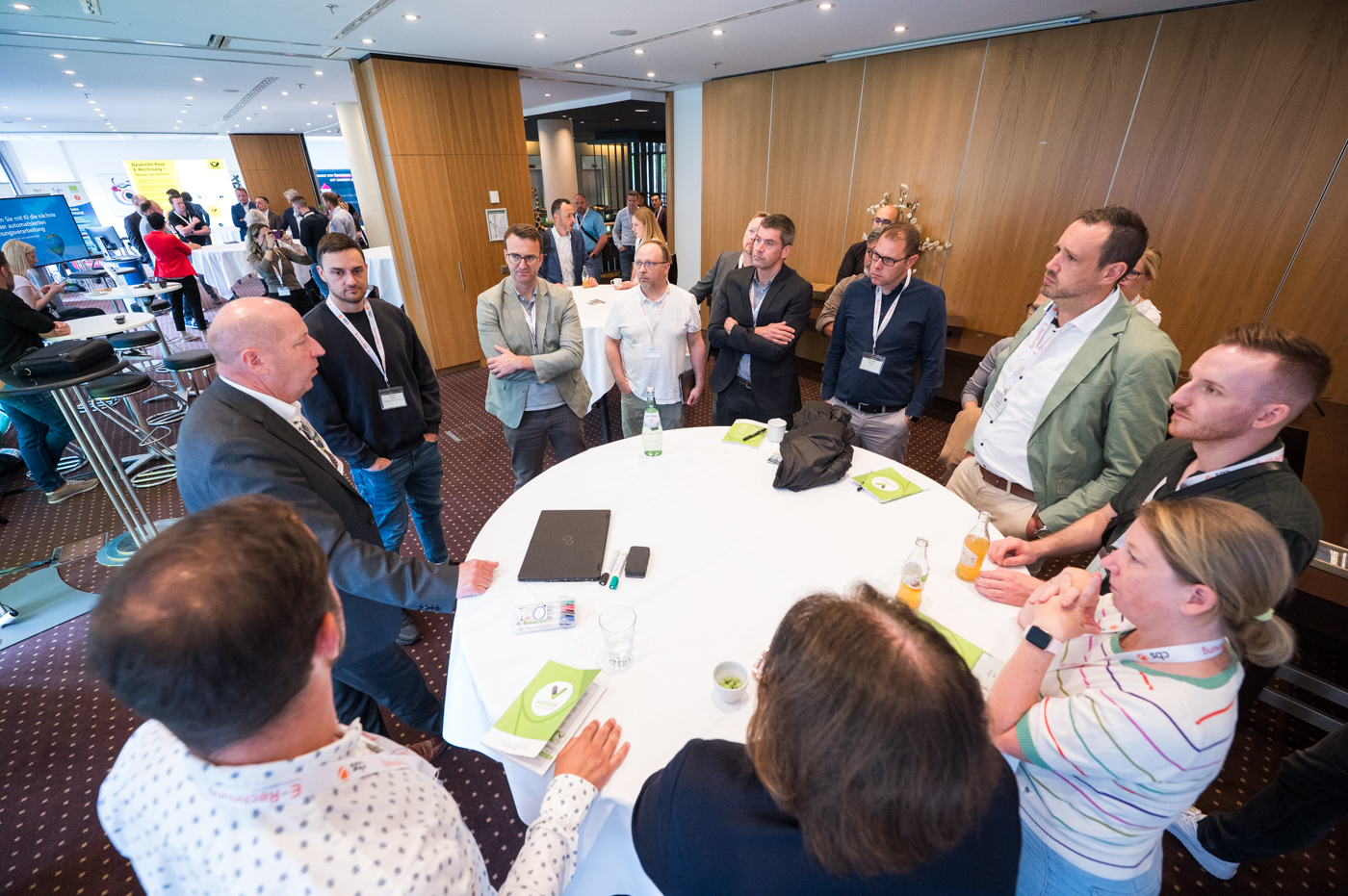
Discuss the most pressing business-relevant topics with your peers and gain valuable information.
1) Spain’s B2B E-Invoicing Mandate Starting in October 2027
The Spanish electronic invoicing system is a hybrid model comprising private platforms and a public electronic invoicing solution (SPFE) managed by the AEAT. It features B2B e-invoicing and e-reporting with a hybrid choice and status transmission: "five-corner" private networks or the option to use the free AEAT platform.
What does this mean for you as an invoice issuer or recipient?

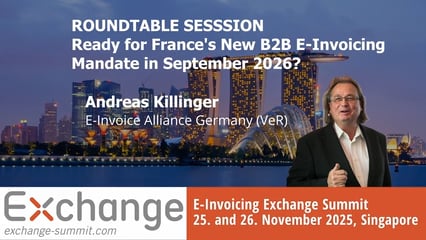
Andreas Killinger Working Group International and Member of the Board of VeR (German E-Invoicing Association)
2) Data Quality in the Peppol Network: Validation in AP and AR
We will discuss how master data on parties and tax together with the validation framework deliver superior quality.


Michael Walther mmWalther IT Consulting / The Invoicing Hub and Philip Helger Peppol Expert and Delegate CEN TC/434
3) ViDA – The Reality for Global Business Services
What mandatory E-Invoicing really means for enterprise-wide business processes
Mandatory E-Invoicing is transforming much more than invoice exchange. For Global Business Services organisations, it challenges long-established business processes that often operate outside the traditional AP workflow. Drawing on practical experience from a multinational company, this session highlights where organisations are likely to encounter unexpected challenges - from manual invoice reviews and T&E processes to multiple invoice channels and lifecycle reporting - and how these can be addressed without creating future compliance issues. Discuss practical lessons learned from early implementations and how your organisation prepares for upcoming ViDA and national e-reporting requirements.

Gordon MacIntosh Senior E-Invoicing Specialist, GS Payment & Experience, Electronic Invoice Document Inbound, JNJ Global Business Services
4) eFTI in Practice: Challenges, Use Cases and Discussion
An open discussion with key stakeholders on practical implementation, solution capabilities, and real-world experience. The goal is to cut through the complexity surrounding eFTI, answer open questions, and provide greater clarity for everyone involved.

Michael Spaeth Vice President Lean Research & Digital Development, Elsen International
5) E-Invoicing in Luxembourg: The Upcoming B2B Mandate and Other Recent Developments
+ A general overview on the state of play of E-Invoicing in Luxembourg
+ The scope and timeframe for the B2B E-Invoicing mandate proposed in the new draft law submitted to Parliament in July 2026
+ New specific requirements that will become mandatory for Luxembourg

Gérard Soisson National E-Invoicing Coordinator, Ministry for Digitalisation, Luxembourg
6) Disrupting EDI: Peppol's Rise as Universal Interoperability Infrastructure
Peppol is outgrowing E-Invoicing and quietly becoming the digitalization backbone for procurement, logistics, and finance. This round table explores what that means for EDI's future and who gets to own connectivity next.

Mathieu Pasture Product Owner, Dokapi
7) France & Germany: Collaborating On E-Invoicing
Explore how France and Germany are advancing their respective E-Invoicing reforms, preparing for ViDA and working towards greater interoperability – including through Factur-X / ZUGFeRD and sector-specific initiatives.


Cyrille Sautereau President FNFE-MPE (French National Forum for E-Invoicing), President E-Invoicing Standardization Commission, AFNOR, France and Ivo Moszynski Chair of FeRD (German Forum for Electronic Invoicing), Germany
11:00 - 11:30 - Stream A
Country Updates UAE and Serbia
+ UAE – Peppol C5 Solution
- First 5-corner implementation in the UAE
- Architecture, integration & production readiness
+ Serbia – E-Invoicing Platform
- E-Invoicing platform
- VAT Reporting
- Anti-Fraud
- E-Dispatch Notes
- National Factoring Registry
- Integration with Peppol
+ Key Benefits & Business Impact

Boris Jevtic Chief of International Business Operations, Banqup, Serbia
11:00 - 11:30 - Stream B
XRechnung 4.0: Why This Format is Essential for German Public Sector and Beyond
Dr. Lars Rölker-Denker Standardisation Officer at Coordination Office for IT Standards (KoSIT) and Head of XStandards Procurement, The Senator for Finance, Free Hanseatic City of Bremen
11:35 - 12:05 - Stream A
Current Revision of the EN 16931-1 and Upcoming Amendment
+ Revision based on 3 pilars
+ High level overview of changes
+ What about rounding and tolerances
+ Timeline and upcoming Amendment
+ Ongoing discussion about the use of Extensions and Edifact in the ViDA era
Paul Simons Convenor CEN TC434 WG1 appointed by CEN TC434
11:35 - 12:05 - Stream B
Mandatory Tax Reporting of Goods Movement And How it is Related to E-Invoicing
Ready to master the next wave of digital compliance? This isn't just about E-Invoicing anymore. Europe is moving quickly, with countries like Romania, Bulgaria, Poland, Lithuania, Hungary, Greece and Serbia, now requiring tax reporting of goods movement.
In this session we will dive into the world of mandatory e-Transport reporting. We'll cut through the noise to provide a comparison of a select few key mandates, showcasing the varying levels of transparency requested by tax authorities and how they integrate with the E-Invoicing tax authority portal.
Learn how to adapt your business to this new reality. Don't just react to change - get ahead of it.

Ana Popović Transactional Tax Reporting, Schwarz Corporate Solutions
12:10 - 12:40 - Stream A
Current Developments in Danish E-Invoicing
+ Nemhandel migration to Peppol BIS 4
+ Development of new implementation guidance for E-Invoicing
+ Opt-out requirements for bookkeeping systems

Christian Fini Henriques Project Lead – Automatic Business Reporting Initiative, Danish Business Authority
12:10 - 12:40 - Stream B
Discover eFTI: A New Opportunity for Automated Invoice Processing
A significant share of incoming invoices relates to freight and transport services. Verifying proof of delivery and validating invoice line items can be time-consuming, as the required transport data is often not available electronically.
The EU initiative eFTI (Electronic Freight Transport Information) provides the foundation for making transport information digitally available and integrating it into business processes. This enables more efficient invoice verification and reconciliation while reducing manual effort.
Discover how eFTI, in combination with E-Invoicing, enables seamless digital transport and invoicing processes, and explore the opportunities it creates for automation, compliance, and improved data quality.
Michael Spaeth Vice President Lean Research & Digital Development, Elsen International
13:40 - 14:10 - Stream A
Germany's Road to E-Invoicing: On the Home Stretch or Still at the Final Pit Stop?

Ivo Moszynski Chair of FeRD (German Forum for Electronic Invoicing) and
Richard Luthardt Board Member German Chapter, GENA and Member of the Board of VeR (German E-Invoicing Association)
13:40 - 14:10 - Stream B
From E-Invoicing to Digital Trust: The Next Layer of Europe's Digital Economy
Europe's E-Invoicing mandates are often seen as tax compliance. In reality, they are laying the foundations for a digital single market.
National mandates and ViDA are not isolated regulations – they are part of a broader transformation in which digital transactions, trusted identities and interoperable trust services converge into a common infrastructure. As invoices become structured, verified data, eIDAS 2.0, qualified trust services and the EU Digital Identity Wallet provide the missing layer: enabling businesses to prove who they are, sign and transact seamlessly across borders.
This evolution is only beginning. As AI increasingly participates in business processes, trust will extend beyond organizations to the digital agents acting on their behalf.
This session connects these developments into a single strategic narrative, showing how organizations can build a future-ready digital trust ecosystem—and why doing so with a single trusted partner can accelerate both compliance and digital transformation.

Enrico Liverani Key Account & Consulting Director, Digital Technologies – A Namirial Company
14:15 - 14:45
ViDA in a Global Context: EU and Brazil's VAT Reforms - Converging Paths or Different Destinations?
The EU and Brazil are pursuing two of the world’s most ambitious VAT reform agendas. Both aim to enhance compliance, reduce fraud and digitise reporting yet they are following very different legal, operational and technological paths.
Are these reforms converging towards a common global model, or reflecting fundamentally different policy choices?
This session takes a comparative look at three critical questions shaping the future of indirect tax:
+ Pre-filled VAT returns - How far should tax authorities go in assuming responsibility for VAT reporting, and what does this mean for businesses?
+ The definition of an invoice - As e-invoicing becomes the norm, how are fiscal documents, structured data and legal invoices evolving?
+ Service provider accreditation - How should governments certify and supervise service providers, and where could these different models ultimately lead?


Anna Nordén Principal, Regulatory Affairs, Sovos and Vinicius Pimentel de Freitas Tax Auditor, Rio Grande do Sul State Income Subsecretary, Brazil
14:45 - 15:15
GENA Panel
Implementing National Mandates: Latest Insights and Recommendations from GENA Local Chapters




Susie West UK GENA local chapter Chair, Henrik Möller Nordics GENA local chapter Chair, Antonis Ntinos Greece GENA local chapter Chair, Enrico Liverani Italy GENA local chapter Chair, and Richard Luthardt Germany GENA local chapter Chair
Moderated by: Christiaan van der Valk Chair, GENA - Global Exchange Network Association
Stay informed – Subscribe to our Newsletter
TAKE A LOOK AT THE REVIEW
"Fantastic event, great program! Big thanks."
Your peers and colleagues recommend to attend the E-Invoicing Exchange Summit - find out why here
The Big Picture of E-Invoicing
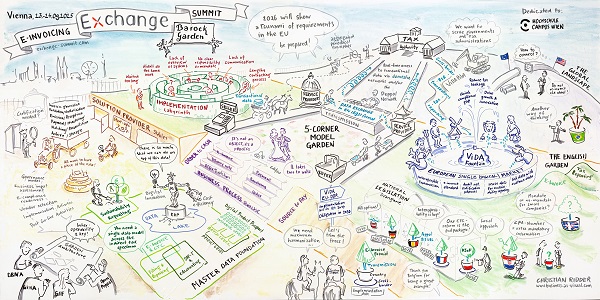
Download White Paper
Venue 2026
The E-Invoicing Exchange Summit takes place in the Hotel MOA Berlin.

Industry Partners 2026



























Promoting E-Invoicing
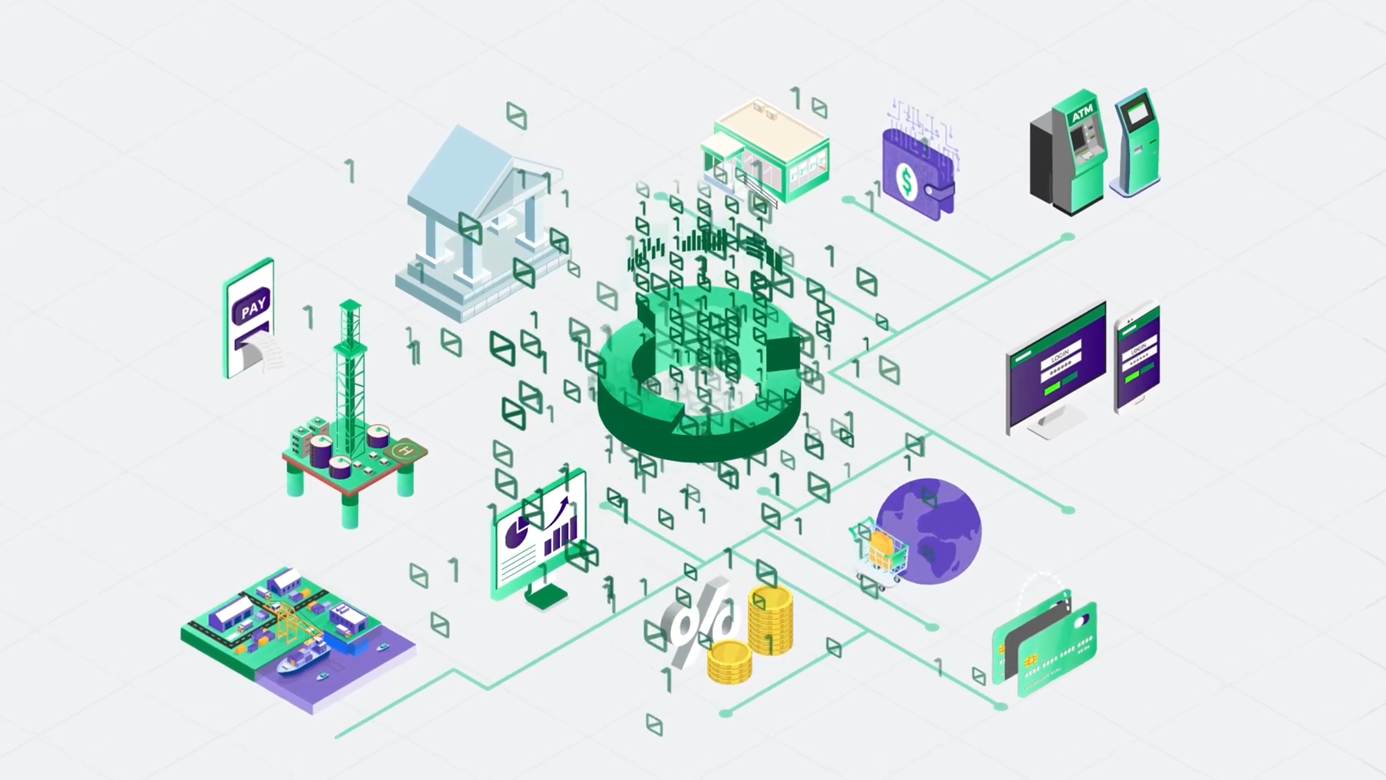
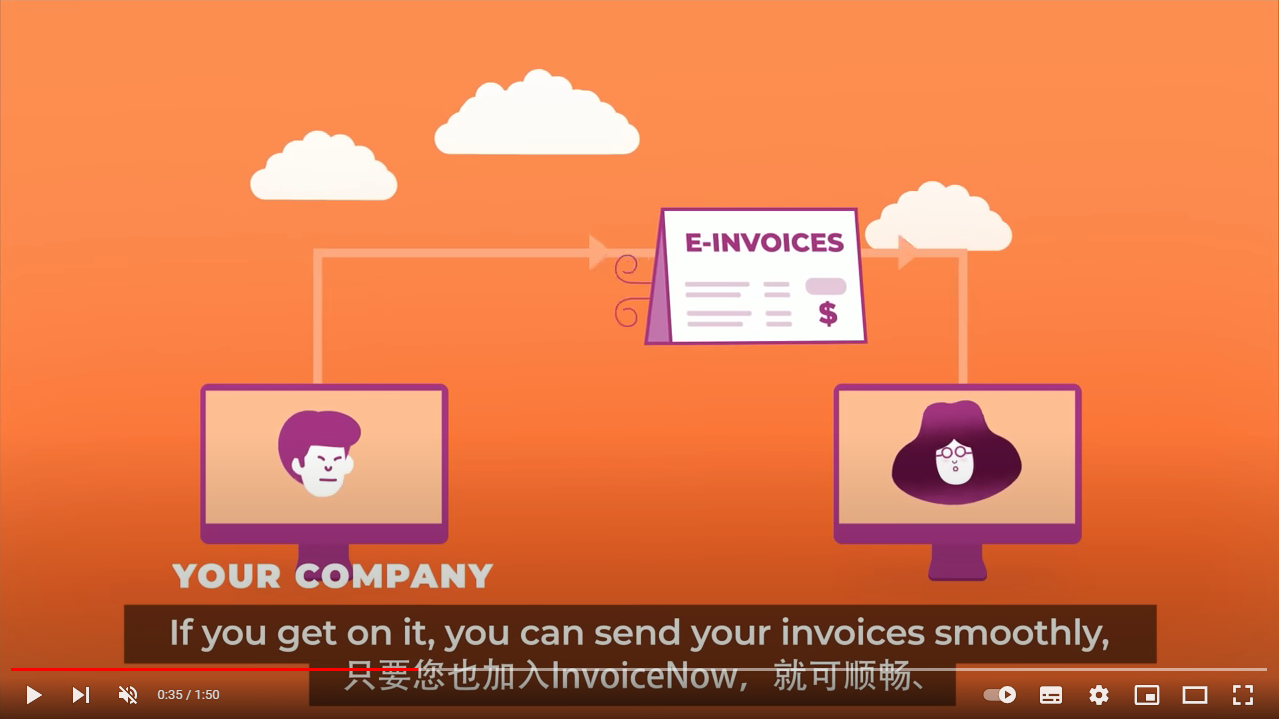
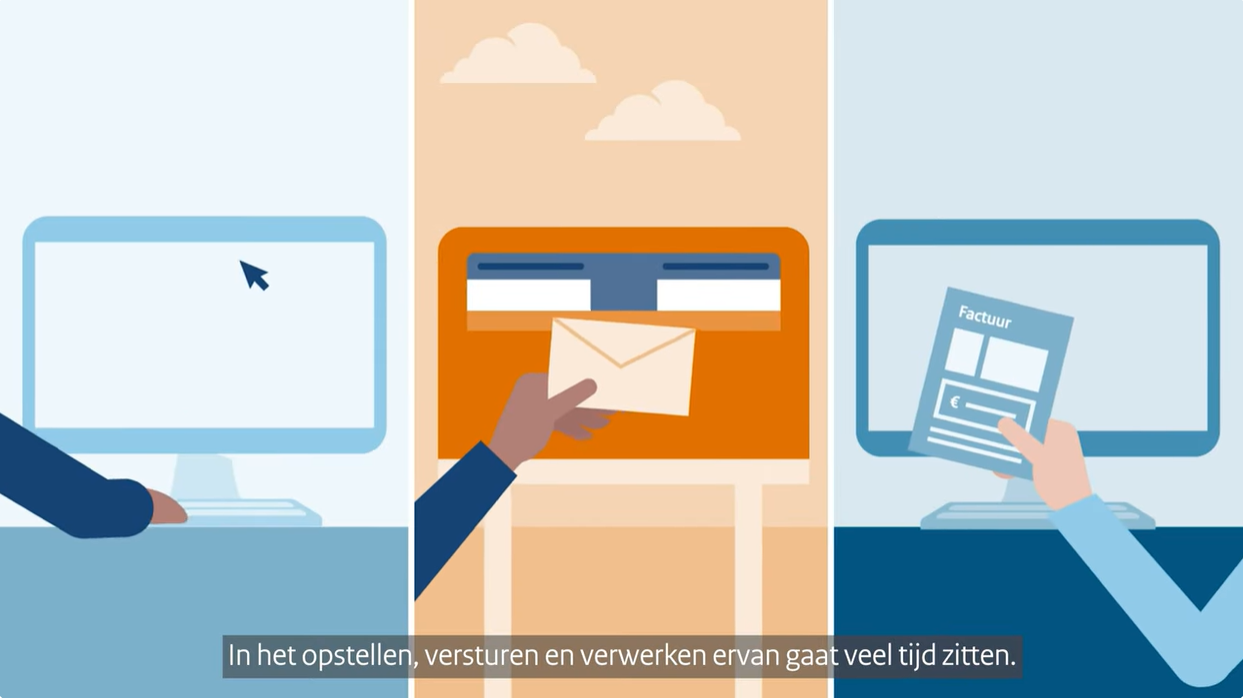
Watch these videos to discover new ways how to promote the use of E-Invoicing.
United Arab Emirates:
 United States:
 Singapore:
 InvoiceNow:
 The Netherlands:
 Belgium:

 Do you have more good examples? Send us the link!
Impressions
More Events